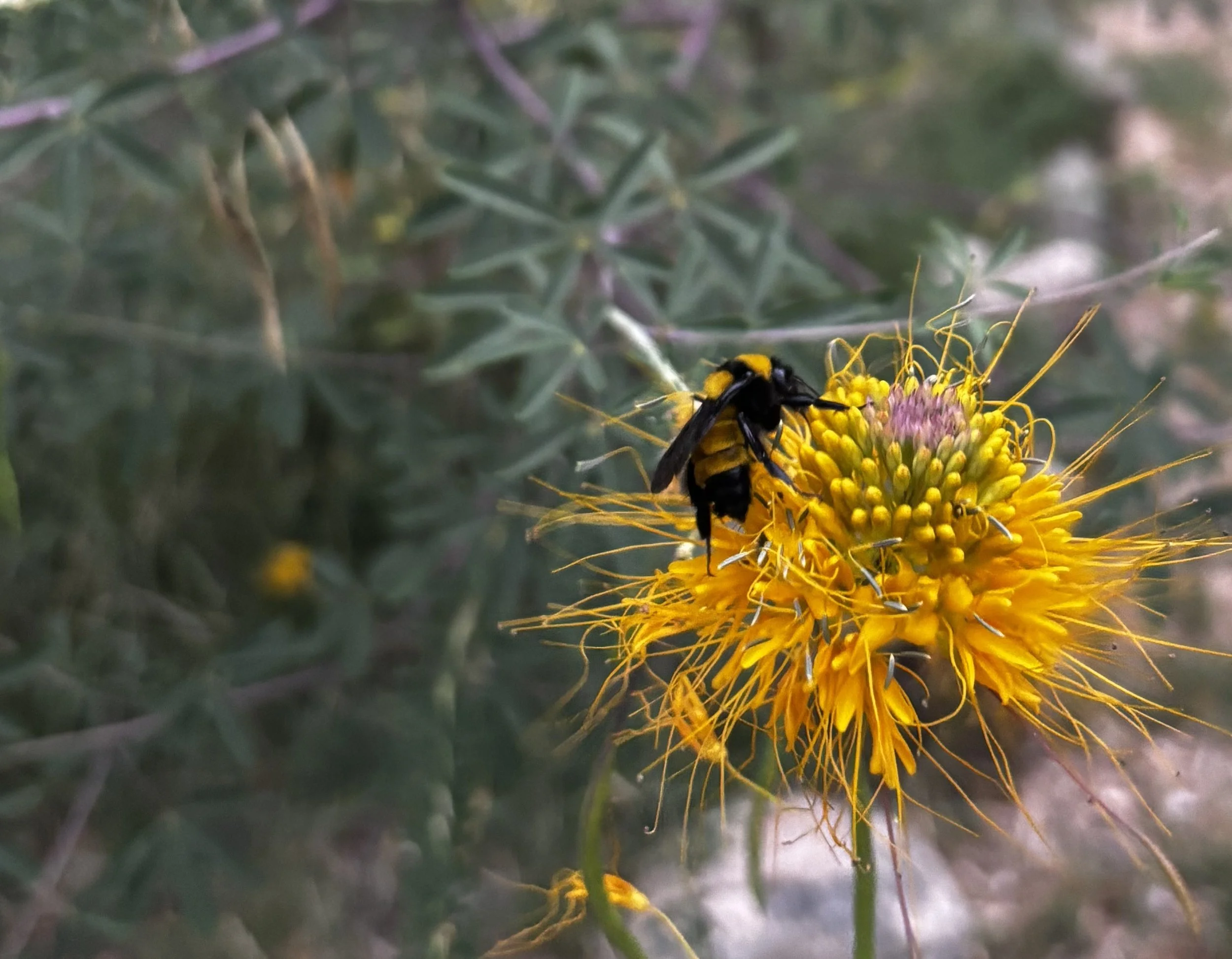
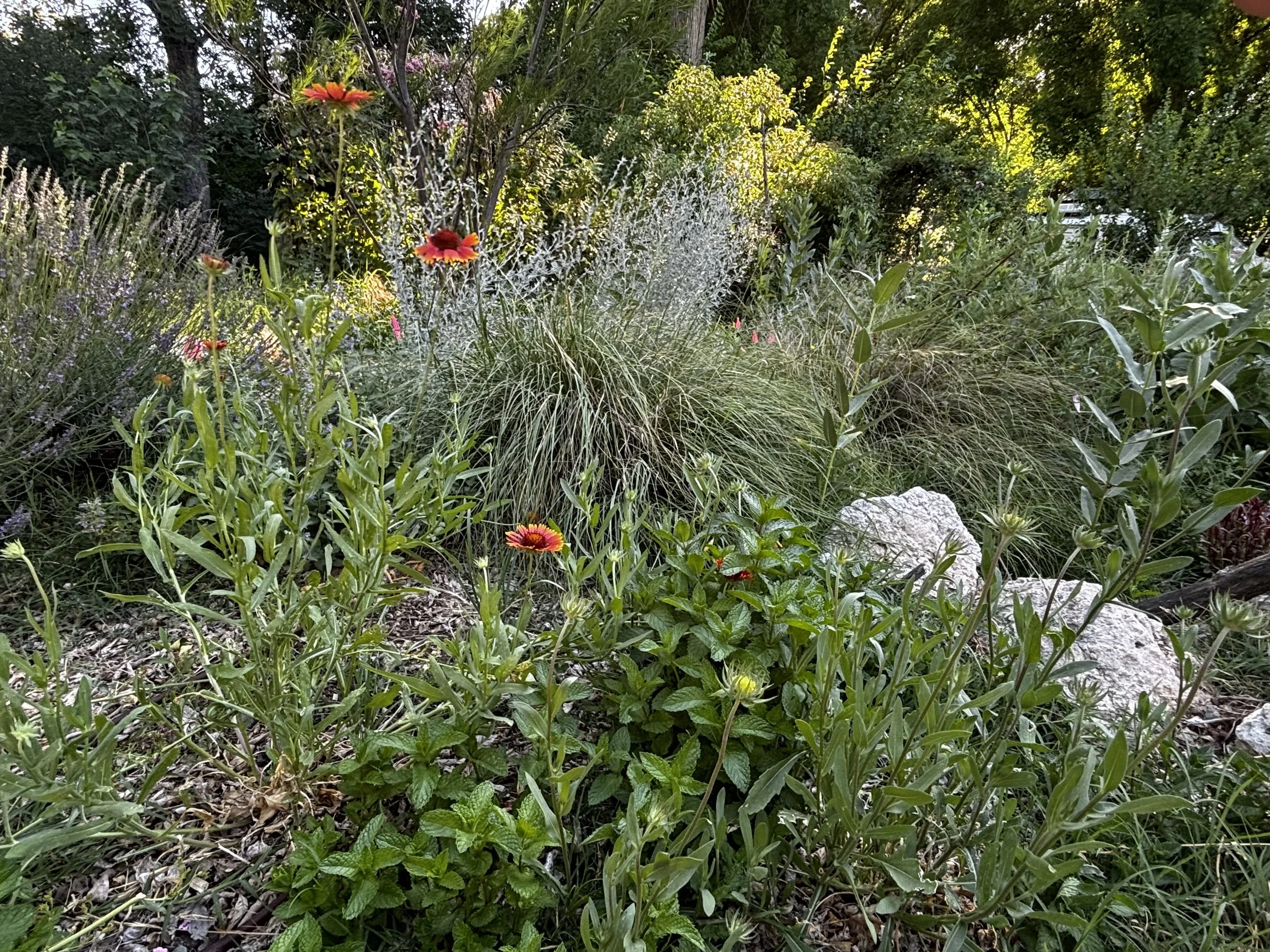
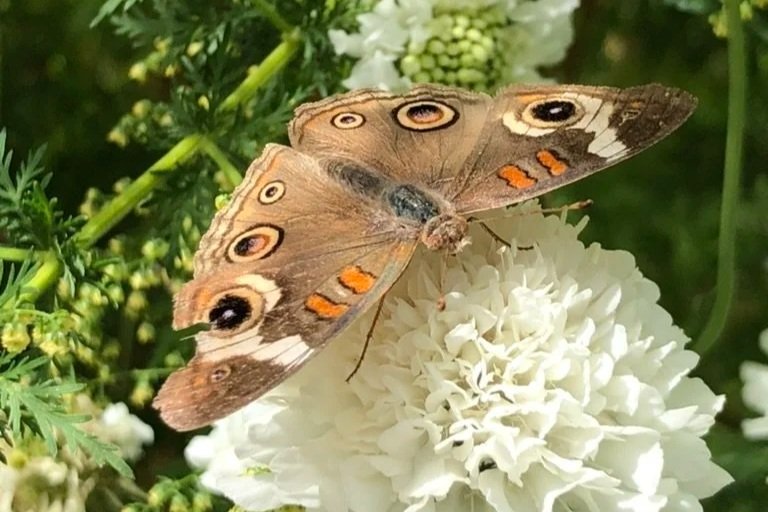
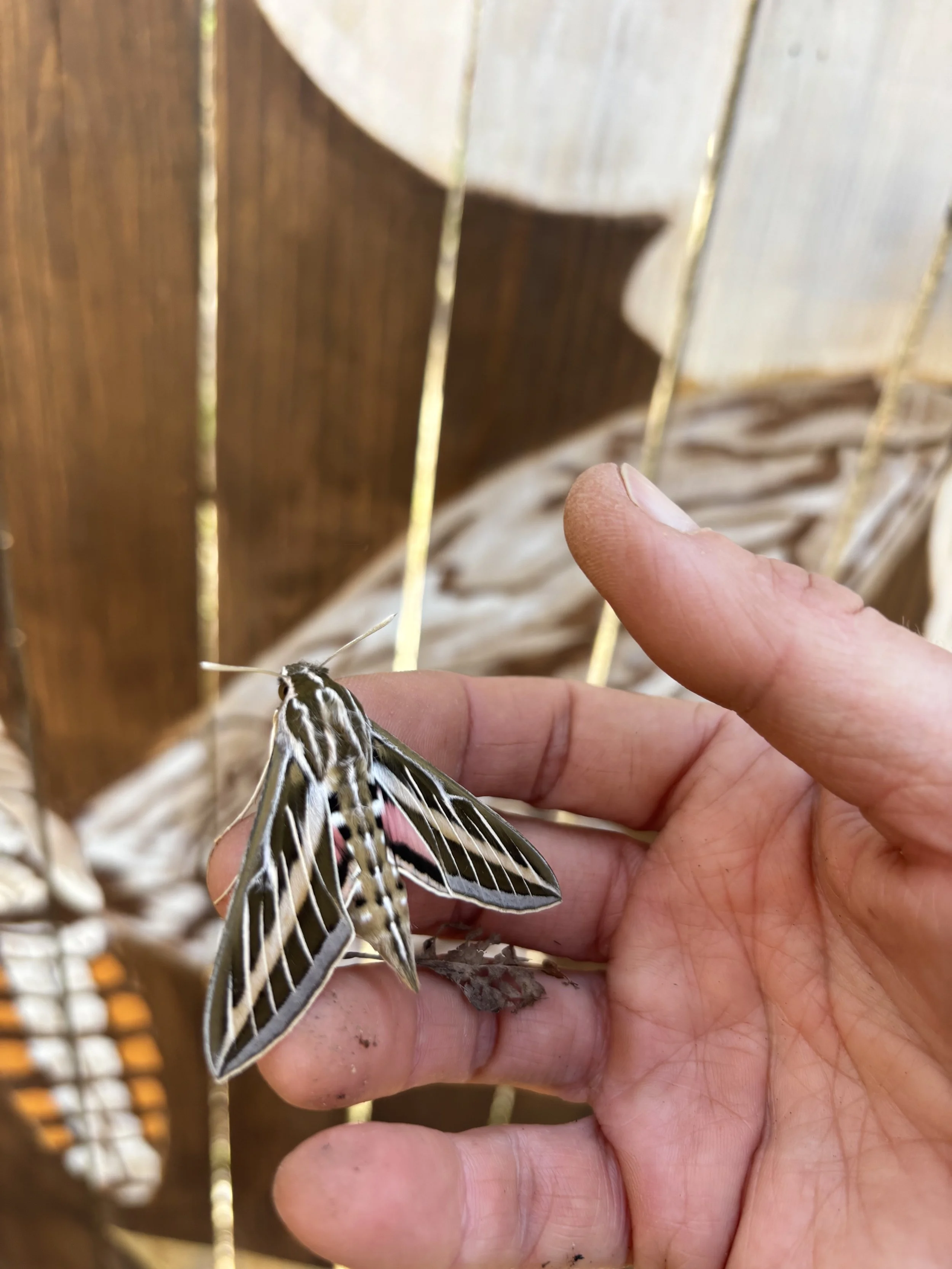
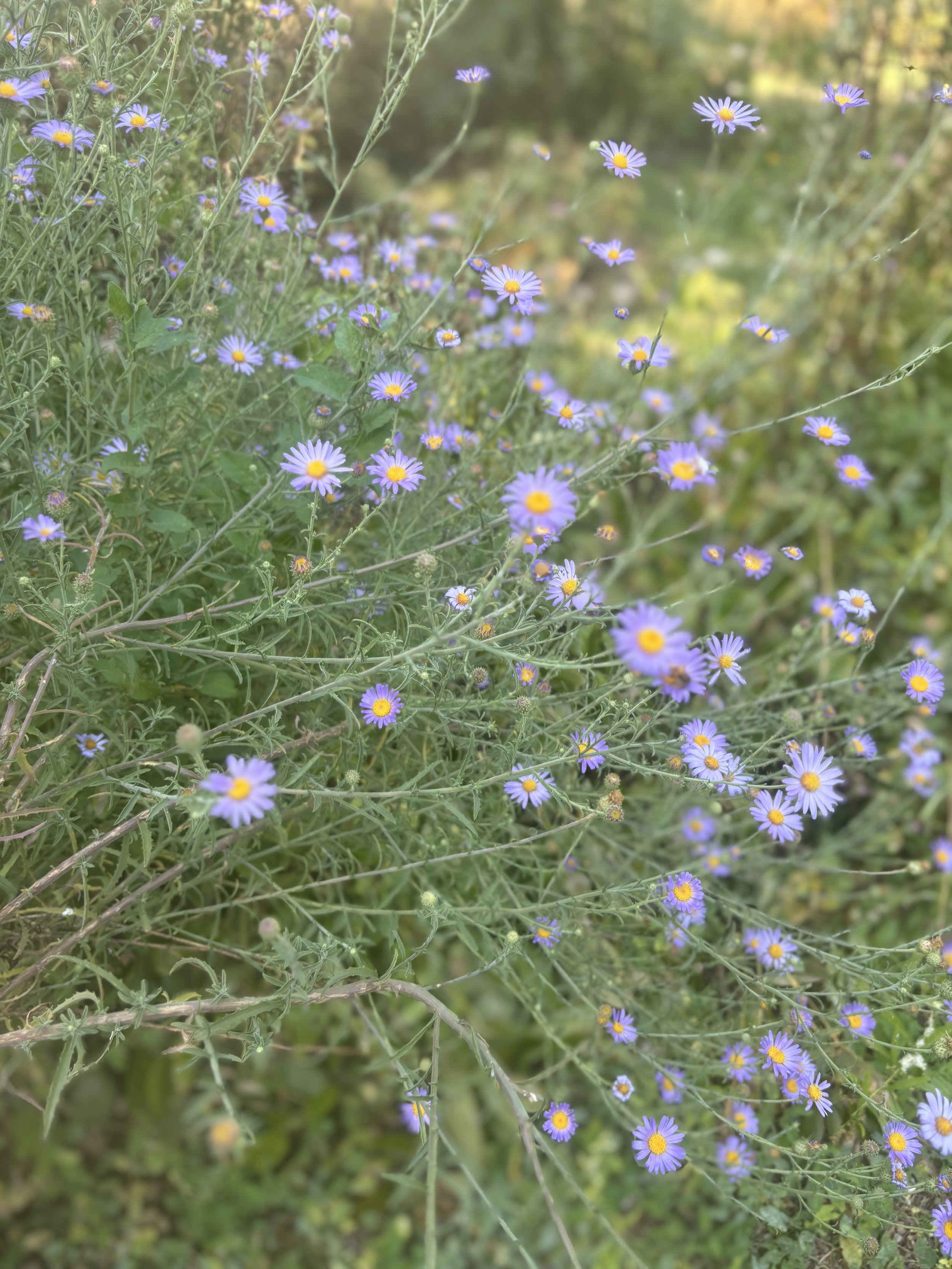
Your yard can do more than look beautiful. It can feed a monarch on migration, shelter a native bee nursery, and help stitch together the fragmented ecosystems our pollinators depend on — one backyard at a time.
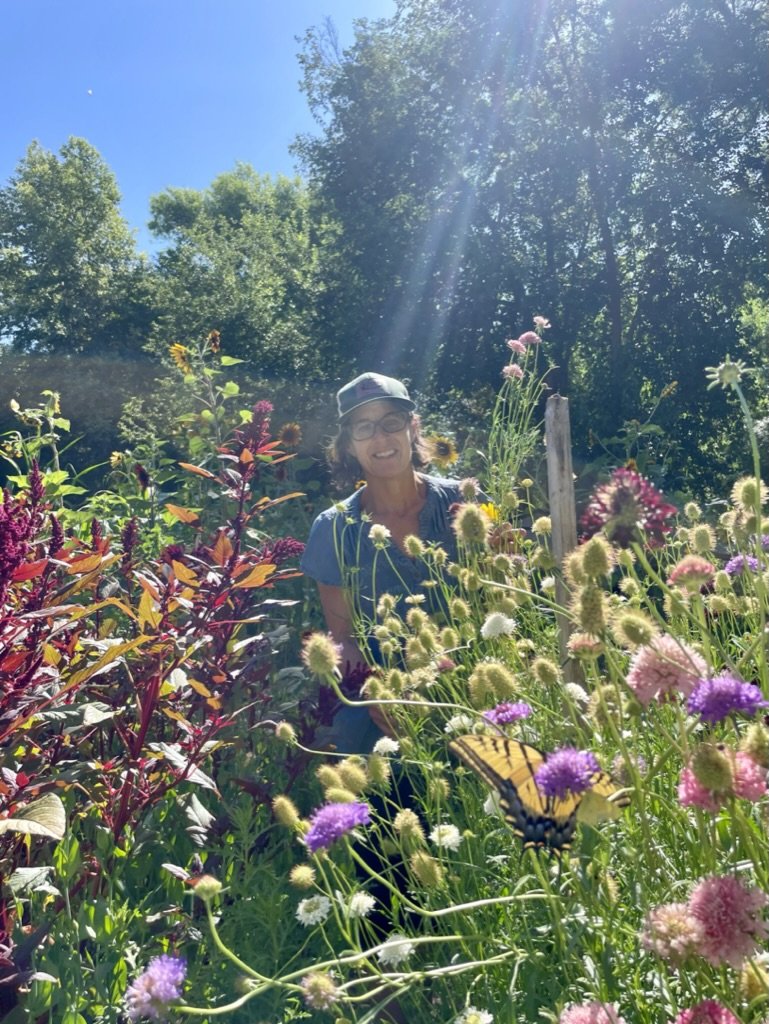
Written by Kate Watters, botanist and farmer at Wild Heart Farm in Rimrock, Arizona, this 30+ page guide brings together twenty years of field ecology and hands-on growing experience into practical, regionally specific guidance for gardeners across the arid Southwest.
What's inside:
Native pollinator profiles: bees, butterflies, moths, hummingbirds, beetles & bats
What pollinators need at every life stage — not just nectar, but nesting, water, and host plants
Plant selection for the high and low desert — what works, what doesn't, and why some "pollinator-friendly" nursery plants actively harm larvae
Guild planting and permaculture design principles
Seasonal bloom planning from early spring through fall monsoon
Herb garden as habitat
Seed starting in an arid climate
Full plant list appendix with bloom time, water needs, and pollinators attracted
Designed for USDA Zones 5–7 (high desert: AZ, NM, UT, CO) and Zones 7–9 (lower elevation Sonoran and Chihuahuan Desert).
$18 — instant digital download
Not sure yet? Grab the free one-page Quick Start Guide — 10 Essential Plants & 5 Practices — and see if this is for you.
Your yard can do more than look beautiful. It can feed a monarch on migration, shelter a native bee nursery, and help stitch together the fragmented ecosystems our pollinators depend on — one backyard at a time.
Written by Kate Watters, botanist and farmer at Wild Heart Farm in Rimrock, Arizona, this 30+ page guide brings together twenty years of field ecology and hands-on growing experience into practical, regionally specific guidance for gardeners across the arid Southwest.
What's inside:
Native pollinator profiles: bees, butterflies, moths, hummingbirds, beetles & bats
What pollinators need at every life stage — not just nectar, but nesting, water, and host plants
Plant selection for the high and low desert — what works, what doesn't, and why some "pollinator-friendly" nursery plants actively harm larvae
Guild planting and permaculture design principles
Seasonal bloom planning from early spring through fall monsoon
Herb garden as habitat
Seed starting in an arid climate
Full plant list appendix with bloom time, water needs, and pollinators attracted
Designed for USDA Zones 5–7 (high desert: AZ, NM, UT, CO) and Zones 7–9 (lower elevation Sonoran and Chihuahuan Desert).
$18 — instant digital download
Not sure yet? Grab the free one-page Quick Start Guide — 10 Essential Plants & 5 Practices — and see if this is for you.